BMS and Microsoft partner for AI-based lung cancer detection
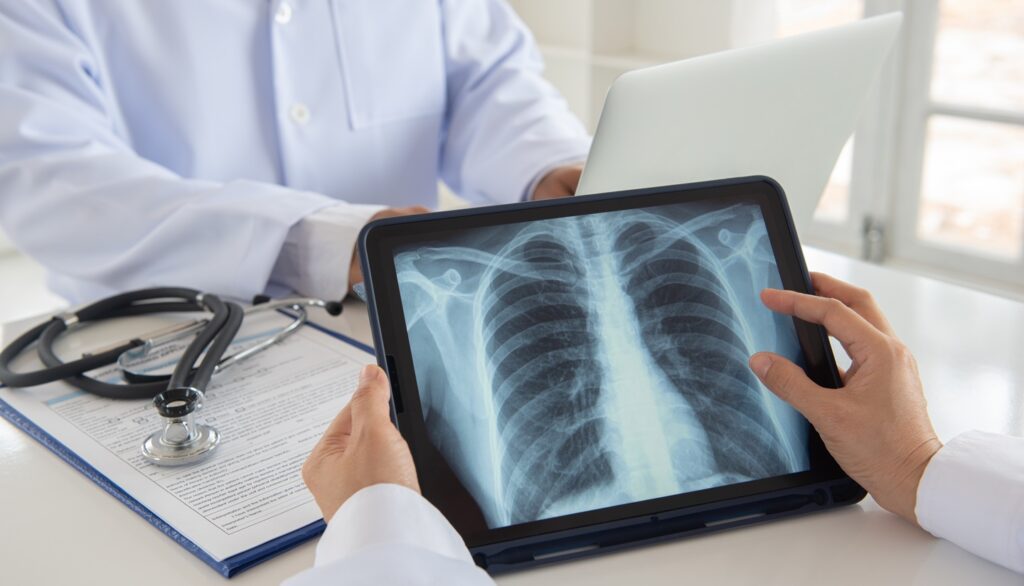
Bristol Myers Squibb (BMS) has entered an agreement with Microsoft to advance AI-driven early lung cancer detection.
Cellenkos has received orphan drug designation from the US Food and Drug Administration (FDA) for its investigational CK0804 regulatory T cell (Treg) therapy to treat myelofibrosis, a rare blood cancer.
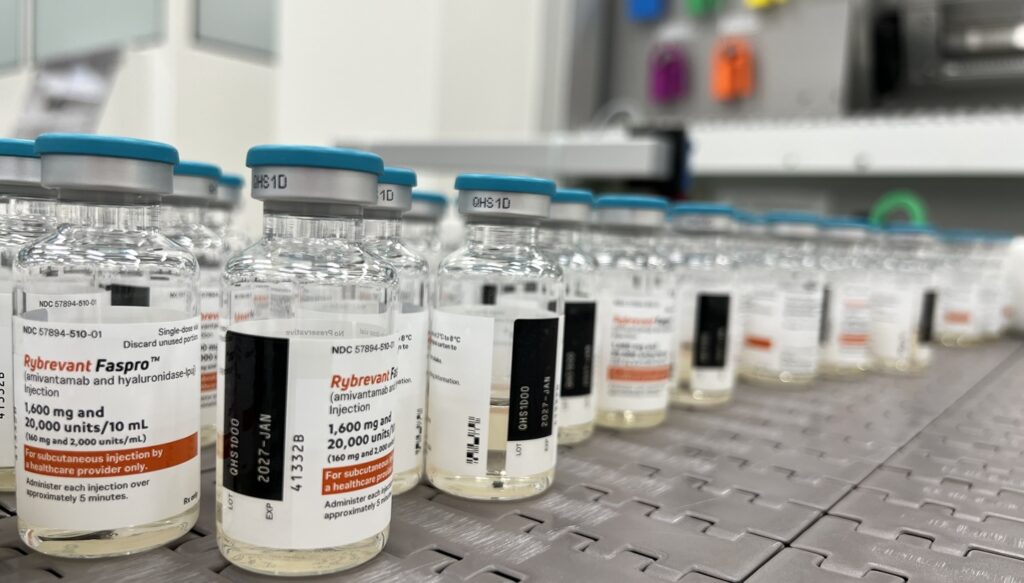
Johnson & Johnson (J&J) has received the US Food and Drug Administration (FDA) approval for Rybrevant Faspro (amivantamab and hyaluronidase-lpuj), a subcutaneously (SC) administered therapy to treat patients with epidermal growth factor receptor (EGFR)-mutated non-small cell lung cancer (NSCLC).
Takeda and Innovent have closed their global partnership for next-generation immuno-oncology (IO) and antibody-drug conjugate (ADC) therapies, following the fulfilment of all closing conditions.
Johnson & Johnson (J&J) has signed a definitive agreement for the acquisition of Halda Therapeutics (Halda) in a $3.05bn cash deal.
Myrio Therapeutics has announced a collaborative partnership with NYU Langone Health and the University of Pennsylvania Perelman School of Medicine to expedite next-generation T cell immunotherapeutics development for solid tumours.
Citius Oncology has entered into an agreement with McKesson for the distribution of Lymphir (denileukin diftitox-cxdl).
Avenzo Therapeutics, a clinical-stage biotechnology company, has closed a $60m series B financing round to advance the development of its oncology drug candidates.
BeOne Medicines has received the European Commission (EC) approval for Brukinsa’s (zanubrutinib) new film-coated tablet formulation for all approved indications.
Halda Therapeutics has received fast track designation from the US Food and Drug Administration (FDA) for its lead development candidate, HLD-0915, aimed at treating metastatic castration-resistant prostate cancer (mCRPC).